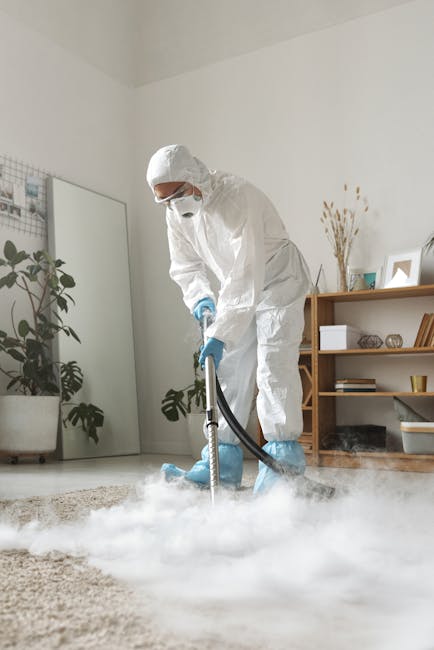
Kennington estate carpet and upholstery cleaning Lambeth SE11
Posted on 24/05/2026

Kennington estate carpet and upholstery cleaning Lambeth SE11: a practical local guide
If you live on or near a Kennington estate in Lambeth SE11, you already know the floors take a bit of a beating. Shoes bring in city grit, stairwells gather dust, and upholstered chairs quietly absorb everything from tea spills to pet hair. That's where Kennington estate carpet and upholstery cleaning Lambeth SE11 becomes less of a nice-to-have and more of a smart bit of home care. Truth be told, a clean carpet can change the whole feel of a flat. Softer underfoot, fresher in the room, less of that tired look that creeps in without you noticing.
This guide explains what the service involves, how it works, who benefits most, and what to look for before booking. You'll also find a simple checklist, a comparison of cleaning methods, and a few local considerations that matter in Lambeth. If you want broader context on the area and what living patterns look like locally, our guide to Lambeth's hidden gems is a useful companion read.
Why Kennington estate carpet and upholstery cleaning Lambeth SE11 Matters
Estate homes in Kennington often have a very specific rhythm to them. Some are busy family flats with constant footfall, some are rentals with quick turnarounds, and some are long-term homes where the furniture has simply seen a few too many winters. In all of those settings, carpets and upholstery collect more than dirt. They hold odours, allergens, pollen, fine dust, skin oils, and the occasional accident that no one wants to talk about over tea.
There's also the look and feel side of it. A room with refreshed carpet and clean seating just feels more cared for. It's not dramatic, but it is noticeable. Guests notice. Tenants notice. Buyers notice. And, if you're the one living there every day, you notice it most when the light comes through in the morning and the whole place somehow looks brighter.
In SE11, where many properties are lived in hard and used well, regular professional carpet and upholstery cleaning can help preserve fabrics, extend their life, and keep your home feeling settled rather than worn out. If you are comparing service scopes, our carpet cleaning in Lambeth page explains the core service alongside other local options such as upholstery cleaning in Lambeth.
Practical takeaway: if your home feels clean overall but still looks dull, tired, or a bit stale, the carpet and soft furnishings are often the missing piece.
How Kennington estate carpet and upholstery cleaning Lambeth SE11 Works
Professional cleaning is not just "a bit of shampoo and a vacuum." Done properly, it's a staged process. The aim is to remove loose soil first, treat spots carefully, clean the fibres deeply, and then dry everything in a controlled way so you don't end up with a damp, musty room. Nobody wants that. Especially not in a compact London flat with windows that only open so far.
Most jobs begin with an inspection. That means identifying the fabric type, the carpet construction, visible stains, wear patterns, and any areas that need extra caution. Wool, synthetic blends, cotton mixes, velvet upholstery, and patterned estate carpets can all respond differently. A good cleaner adjusts the method rather than forcing the same approach everywhere.
For carpets, the usual workflow is:
- Initial vacuuming and soil removal.
- Spot treatment for stains, marked areas, or traffic lanes.
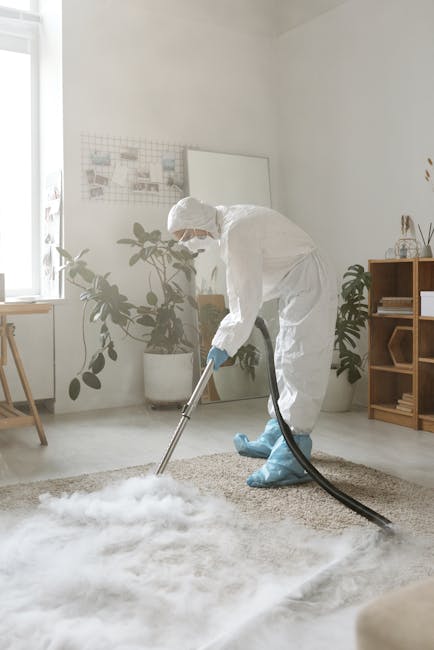
- Deep cleaning using the most suitable method for the fibre and condition.
- Extraction or rinse stage to lift suspended dirt.
- Final grooming or fibre reset where appropriate.
- Drying advice so the carpet settles properly.
Upholstery follows a similar logic, but with extra care around cushions, seams, piping, and any delicate fabric dyes. If you're preparing a whole flat rather than just one chair or hallway runner, the services overview is helpful because it shows how carpet, upholstery, domestic, and end-of-tenancy cleaning can be combined sensibly.
Sometimes a room needs more than one method. For example, a hallway runner might need hot-water extraction, while a dining chair set may be better suited to low-moisture or dry treatment. That flexibility matters more than people think.
Key Benefits and Practical Advantages
Let's keep this grounded. The main benefit is not just "cleaner." It's a cluster of small wins that add up to a better home.
- Improved appearance: Colours look less flat, pile looks more even, and upholstery stops looking greyed out by everyday use.
- Better indoor freshness: Odours from cooking, pets, smoke, or general living are reduced rather than masked.
- Longer fabric life: Embedded grit acts like sandpaper. Removing it helps carpets and upholstery wear more slowly.
- More comfortable living space: Softer fibres and cleaner seating make the room feel cared for.
- Rental and move-related value: Clean soft furnishings make inspections, listings, and handovers less stressful.
- Smarter upkeep: Regular cleaning can mean fewer emergency treatments later, which is always preferable.
There is also a mental benefit that's hard to quantify but very real. A freshly cleaned room tends to feel calmer. Less cluttered. Less itchy, if that makes sense. The kind of space where you can put the kettle on and actually relax.
For landlords, residents, and property investors in the area, this links directly to presentation and maintenance. If that sounds relevant, the posts on buying homes in Lambeth and investing in Lambeth real estate show why upkeep matters to property value and tenant appeal. Not glamorous, perhaps, but important.
Who This Is For and When It Makes Sense
This service is useful for more people than you might expect. If you think of carpet and upholstery cleaning as only for end-of-tenancy moments, that's a bit too narrow. In reality, it suits several situations.
- Families in estate flats: kids, crumbs, muddy shoes, toy traffic, repeat. Enough said.
- Tenants approaching inspections or moving out: a cleaner finish reduces the risk of complaints over visible marks.
- Landlords and managing agents: it helps keep shared or privately let properties presentable between occupancies.
- Homeowners who notice wear building up: especially on stairs, hallways, sofas, armchairs, and dining seating.
- Pet owners: fur, dander, and the occasional accident usually need more than surface vacuuming.
- People with busy social lives: if your living room sees a lot of visitors, stains arrive faster than you'd think.
When does it make sense to book? A few common triggers are visible traffic lanes, lingering smells, drink spills, flattened pile, or upholstery that looks tired even after dusting. If you've opened a window and still feel the room is somehow stale, that's a clue too.
There's a practical local angle here as well. Estate living in SE11 often means shared entrances, periodic damp, and narrow access points. Dust and grit can come in quickly, and once they're in the fibres they tend not to leave on their own. The service becomes less about appearance and more about protecting what you already own.
Step-by-Step Guidance
If you want to know what a good job looks like, here's the sequence worth expecting. It is not overcomplicated, but it should be deliberate.
- Start with a proper assessment. The cleaner should ask about fabric type, stain history, pets, previous cleaning, and any areas of concern.
- Clear the space as much as possible. Move small items, breakables, and anything that might be in the way. If the cleaner helps with light furniture, that should be agreed in advance.
- Vacuum thoroughly. This sounds obvious, but it's the stage that prevents loose grit from turning into mud during wet cleaning.
- Pre-treat trouble spots. Coffee, wine, food splashes, and entryway marks usually need targeted attention before the main clean.
- Choose the right cleaning method. Hot-water extraction, low-moisture cleaning, or dry treatment should match the material and condition.
- Clean section by section. That helps prevent missed patches and keeps drying more even.
- Check results under light. Natural light near windows can reveal marks that overhead lights miss. Annoying, yes, but useful.
- Allow proper drying time. Keep airflow moving and avoid heavy use until the fibres are ready.
- Review any remaining stains honestly. Some marks lighten but do not disappear completely. A good technician will tell you that upfront rather than dance around it.
If you are booking alongside a wider clean, such as a full flat refresh or move-out job, consider pairing it with end of tenancy cleaning in Lambeth or a broader domestic cleaning service. That way, the hard surfaces, soft furnishings, and floors all get attention in one go.
Expert Tips for Better Results
A few small habits make a big difference. Honestly, this is where many people save themselves money later.
- Vacuum regularly between deep cleans. It sounds basic because it is basic, but it works.
- Deal with spills quickly. Blot, don't rub. Rubbing spreads the spill and can damage pile or fabric texture.
- Test colourfastness carefully. Especially on older upholstery or patterned fabrics where dye stability may be uncertain.
- Keep an eye on drying conditions. Open a window if possible, use airflow, and don't trap moisture in closed rooms.
- Ask about stain limits before booking. Some marks are permanent or only partially removable. Better to know early.
- Think in zones. Hallway, seating area, stairs, and bedroom furniture all wear differently. Treat them differently too.
A small but useful detail: if your sofa sits near a radiator or sunny window, fabrics may wear unevenly. The side nearest the light fades or dries differently over time. Rotating cushions or seat positions helps. Not fancy. Just practical.
And one more thing. Don't assume a strong smell means a stronger clean. Some chemical scents are just perfumes. The better result is often the quieter one: no smell at all, just clean fabric.
Common Mistakes to Avoid
Most cleaning mistakes come from rushing, not from bad intentions. That's the awkward truth.
- Using too much water: over-wetting can slow drying, leave residues, and in some cases cause wicking where stains reappear.
- Scrubbing aggressively: this can distort fibres and push stains deeper.
- Cleaning without identifying the fabric: wool, synthetic, and mixed fabrics need different handling.
- Ignoring the padding underneath: the visible surface may look fine while moisture lingers below.
- Booking only on price: cheapest is not always best, especially for delicate upholstery or older carpets.
- Forgetting access details: estate blocks can involve parking, lifts, entry codes, or stair access. Small things, big delays.
A common one in Lambeth is assuming a quick cosmetic clean will solve an old, set stain. Sometimes it will. Sometimes it won't. A trustworthy cleaner should be upfront about that instead of promising miracles. Nice idea, but no.
Tools, Resources and Recommendations
You do not need a van full of specialist kit to understand what good service looks like, but it helps to know the basic tools and what they do.
| Method | Best for | Strengths | Things to watch |
|---|---|---|---|
| Hot-water extraction | Most carpets and some upholstery | Deep soil removal, good for general refresh | Needs sensible drying time and careful moisture control |
| Low-moisture cleaning | Delicate fabrics or quicker turnaround needs | Faster drying, less water exposure | May be less aggressive on heavy soil |
| Dry cleaning | Some sensitive fabrics and spot situations | Minimal moisture, lower drying risk | Not suitable for every fibre or heavy contamination |
| Targeted stain treatment | Spills, marks, high-traffic spots | Focused results where needed | Requires proper identification of the stain and material |
As for practical recommendations, it is wise to work with a provider who explains the method first, not after the fact. The cleaner should also be comfortable discussing drying, fabric care, and what is realistic. If you want to compare service areas or wider packages, the house cleaning in Lambeth page can help you see how soft furnishing care fits into broader home maintenance.
For quote-related planning, the pricing and quotes page is useful because it helps you think about scope before booking. That may sound dry, but it avoids awkward surprises later.
Law, Compliance, Standards and Best Practice
For most household cleaning jobs, the main compliance concerns are practical rather than legalistic: safe product use, careful handling of fabrics, clear communication about limitations, and respect for property. Still, there are a few best-practice points worth knowing.
First, cleaners should use products appropriately and follow manufacturer guidance where relevant. Some upholstery and carpet fabrics have care labels or cleaning codes, and those matter. A decent technician will look for them before doing anything ambitious. If a label is missing, the safer route is usually to test a small hidden area first.
Second, in shared buildings or managed estates, access and safety matter. Hallways should be kept clear, equipment should be handled safely, and any electrical gear should be used sensibly. That sounds obvious, but in a tight Kennington block, one trailing hose can become a nuisance very quickly. Not ideal for neighbours, and not ideal for you either.
Third, if you are a landlord, letting agent, or resident preparing a property for occupancy, cleaning quality should align with the tenancy agreement and the condition of the premises. We are not making legal claims here, because the details vary. But as a general best practice, document the state of soft furnishings before and after cleaning, especially if there are stains, wear, or pet-related issues.
If you care about company transparency and service standards, it's also sensible to review pages such as insurance and safety, health and safety policy, and about us. Those pages help you judge whether the business is organised properly, which is reassuring when inviting people into your home.
Best-practice summary: choose a cleaner who tests carefully, explains limitations clearly, protects your home during the job, and leaves the space properly dried and ready to use.
Options, Methods, and Comparison Table
Different homes need different approaches. There isn't one magical method for every carpet or sofa, and anyone pretending otherwise is oversimplifying things a bit.
| Option | Typical use case | Pros | Cons |
|---|---|---|---|
| DIY spot cleaning | Small fresh spills | Quick, cheap, immediate | Easy to overdo, may leave rings or residues |
| Rental machine cleaning | Light refresh for relatively robust carpets | Accessible and cost-conscious | Limited heat, extraction, and stain control |
| Professional carpet cleaning | Heavier soil, traffic lanes, odours, full-room refresh | Better equipment, stronger results, more control | Requires booking, access, and drying time |
| Professional upholstery cleaning | Sofas, armchairs, dining chairs, fabric headboards | Fabric-safe assessment, targeted treatment | Not every stain can be fully removed |
If your flat needs a full reset before new tenants move in or after a busy season, it often makes sense to combine the cleaning with a broader local service rather than booking everything separately. For example, a flat near Waterloo or in wider SE11 may benefit from guidance like the SE1 flat cleaning guide near Waterloo Station, especially if you are planning around timing, access, or handover pressure.
And if your needs are more office-like than domestic, perhaps because you run a home business or manage shared workspace, the office cleaning in Lambeth page may be the better fit. Different setting, different priorities.
Case Study or Real-World Example
Here's a realistic scenario. A second-floor estate flat in Kennington has a hallway carpet that looks fine at first glance, but in daylight the traffic lane is obvious. The living room sofa has a few light drink marks and the armrests feel slightly greasy from daily use. Nothing dramatic. Just the sort of wear that builds slowly over months.
In a case like this, the cleaner would typically start with a fabric and fibre check, then vacuum thoroughly, treat the darker walkway area, and clean the sofa using a method suited to the fabric. The owner might hope the carpet will come back looking brand new. Sometimes it does pretty well. Sometimes it looks fresher but still shows age. That's normal. Older fibres have a history, and cleaning improves them rather than erasing the fact they've been lived on.
The useful part is what happens after: the room smells cleaner, the carpet pile stands up better, and the sofa no longer dominates the space with a tired look. The whole flat feels lighter. You'd be surprised how often that changes how people feel about a room, even if they can't put their finger on why.
If the property is rented, this kind of refresh can be the difference between a "needs work" impression and a genuinely welcoming one. For landlords and residents alike, that matters more than people admit out loud.
Practical Checklist
Use this before you book or on the day of service. Simple, but useful.
- Identify which rooms, carpets, sofas, chairs, or cushions need cleaning.
- Check for visible stains, pet areas, odours, and high-traffic spots.
- Note fabric type or care labels if you can find them.
- Move fragile items, ornaments, and small furniture out of the way.
- Confirm access details: entry codes, parking, stairs, lifts, and timing.
- Ask what method will be used and whether it suits your fabric.
- Clarify how long drying may take and what ventilation is recommended.
- Confirm any areas that may not be fully stain-recoverable.
- Take quick before photos if the job is for tenancy, insurance, or handover records.
- Review the cleaner's safety, policy, and service information if you want extra reassurance.
Quick reminder: if your main goal is a fuller home refresh rather than just one item, pair soft furnishing cleaning with a broader domestic or tenancy clean. It saves time. Usually a lot of time.
Get a free quote today and see how much you can save.
Conclusion
Kennington estate carpet and upholstery cleaning Lambeth SE11 is really about protecting the comfort, appearance, and usability of the rooms you live in every day. It helps with hygiene, freshness, presentation, and the long-term condition of your soft furnishings. Whether you're a tenant, homeowner, landlord, or simply someone tired of looking at a dull hallway carpet, the right approach makes a proper difference.
The best results usually come from a clear assessment, the right method for the fabric, careful stain treatment, and sensible drying. Nothing flashy. Just competent, careful work done in the right order. That's the sort of thing you feel as soon as you step back into the room.
If you want to explore related services and local reading, you may also find resident perspectives on Lambeth life helpful, especially if you are weighing up what matters most in day-to-day home upkeep. Clean spaces are not a luxury. They're a small, steady way of making home feel like home.
And sometimes, that's enough to lift the whole week.