Health and Safety Policy for Cleaners Lambeth
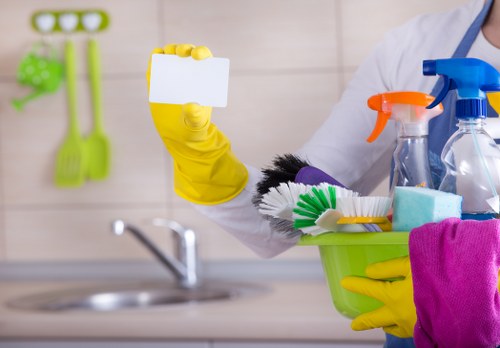 This health and safety policy for cleaners in Lambeth sets out the principles, responsibilities, and safe working practices that support a secure, well-managed cleaning service. The aim is to protect cleaners, clients, visitors, and anyone else who may be affected by cleaning activities. A safe workplace is not only a legal and operational requirement; it is also essential for quality, consistency, and trust.
Our approach is based on prevention, awareness, and accountability. We expect every cleaner to work with care, report hazards promptly, and follow agreed procedures at all times. By maintaining a strong safety culture, cleaners in Lambeth can carry out their duties efficiently while reducing the chance of injury, illness, or property damage.
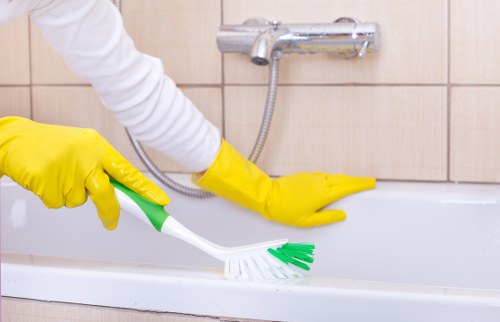 This policy applies to all routine and specialist cleaning tasks, including office cleaning, domestic cleaning, post-build cleaning, and communal-area maintenance. It covers the safe use of cleaning materials, manual handling, equipment operation, personal protective equipment, and emergency response. Every task should be assessed before work begins so that risks are identified early and controlled appropriately.
Managers and supervisors are responsible for making sure that staff receive suitable information, supervision, and training. They must provide clear instructions, appropriate equipment, and access to safe working methods. Health and safety for cleaners Lambeth depends on strong supervision, regular communication, and a commitment to correcting unsafe practice without delay.
Cleaners are expected to look after their own safety and the safety of others. This includes following signage, using equipment properly, keeping work areas tidy, and stopping work if conditions become unsafe. If a task seems too risky or a product appears unsuitable, the cleaner should raise the issue immediately rather than continue in an unsafe manner.
Key Safety Principles
All cleaning activities should be planned to minimise risk. Where possible, work should be scheduled to avoid conflict with building users, and hazardous tasks should be separated from normal activity. Cleaner health and safety Lambeth also means choosing the right tools for the job, checking equipment before use, and keeping wet floors, trailing cords, and clutter under control.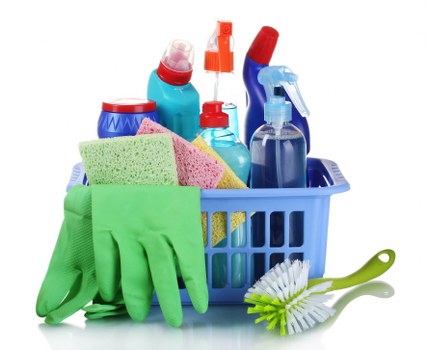
Training, Equipment, and Safe Methods
Every cleaner must be trained in the correct use of detergents, disinfectants, vacuums, mops, buffers, and any specialist equipment they may handle. Training should include chemical awareness, basic first aid awareness, and safe lifting techniques. Refresher training is important because methods, products, and workplace layouts can change over time.Personal protective equipment should be provided where needed and worn properly. This may include gloves, aprons, eye protection, masks, or slip-resistant footwear. Cleaning staff in Lambeth must inspect PPE before use and replace damaged items promptly. Using PPE correctly helps reduce exposure to irritants, contamination, and accidental splashes.
Cleaning products must always be used according to instructions and never mixed unless this is specifically permitted. Containers should be clearly labelled, stored securely, and kept away from food, heat, and unauthorised access. Good chemical control is a central part of safe cleaning because it protects both people and the environment.
Manual handling is another important area of risk. Lifting buckets, moving furniture, and carrying waste bags can cause strain if done incorrectly. Cleaners should assess loads, use mechanical aids when available, and ask for help with heavy or awkward items. Where a task involves repeated bending or reaching, work should be organised to reduce fatigue.
Slips, trips, and falls are among the most common risks in cleaning work. To control these hazards, floors should be signposted when wet, spills should be cleared quickly, and cords or obstacles should be removed from walkways. Health and safety for cleaning teams Lambeth is strengthened when everyone keeps workspaces orderly and reacts quickly to hazards.
In the middle of the working day, checks should be carried out to confirm that equipment remains in good condition and that no new risks have developed. This includes inspecting cables, plugs, mop heads, vacuums, and chemical containers. Any defect should be reported immediately, and faulty equipment must not be used until it has been repaired or replaced.
Incident Reporting and Emergency Response
If an accident, near miss, spill, or exposure occurs, it must be reported as soon as possible. Prompt reporting allows corrective action to be taken and helps prevent similar incidents in future. Records should be accurate, factual, and completed without unnecessary delay. A strong reporting process is a sign of a mature cleaner safety policy Lambeth.Emergency procedures should be easy to understand and available to all staff. Cleaners must know what to do in the event of fire, chemical exposure, injury, or a security concern. Where evacuation is required, staff should leave the area immediately, follow instructions, and avoid putting themselves at further risk. Basic emergency awareness supports safe and calm decision-making.
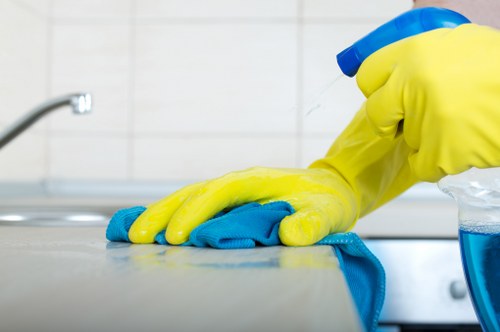 Waste disposal also requires careful management. Bags should not be overfilled, hazardous waste should be separated where required, and sharp objects must be handled with extra caution. Cleaners should never compress waste with their hands or feet. Safe disposal habits reduce the chance of cuts, contamination, and manual handling injuries.
Occupational health is part of the same commitment to safety. Repeated exposure to cleaning agents, dust, physical strain, and tiredness can affect long-term wellbeing. Workloads should be realistic, breaks should be respected, and staff should be encouraged to raise concerns if they experience discomfort or symptoms linked to their duties. A sensible approach to workload supports sustainable performance.
Hygiene is equally important, especially when cleaning toilets, kitchens, or shared facilities. Hands should be washed regularly, contaminated materials should be handled carefully, and cross-contamination should be avoided by using separate cloths or colour-coded systems where appropriate. Safe cleaning practice Lambeth depends on disciplined routines and attention to detail.
 This policy is reviewed regularly to make sure it remains effective, practical, and up to date. Reviews should consider incidents, staff suggestions, changes in equipment, and any new risks that may arise during work. Cleaners Lambeth can only operate safely when procedures are maintained, understood, and consistently followed by everyone involved.